• Skip to main content
  • Skip to footer

Building Biology Magazine

Receive practical tips and in-depth insights for creating healthy, sustainable living and work environments. We provide reliable, up-to-date, and relevant information. Have fun exploring building biology!

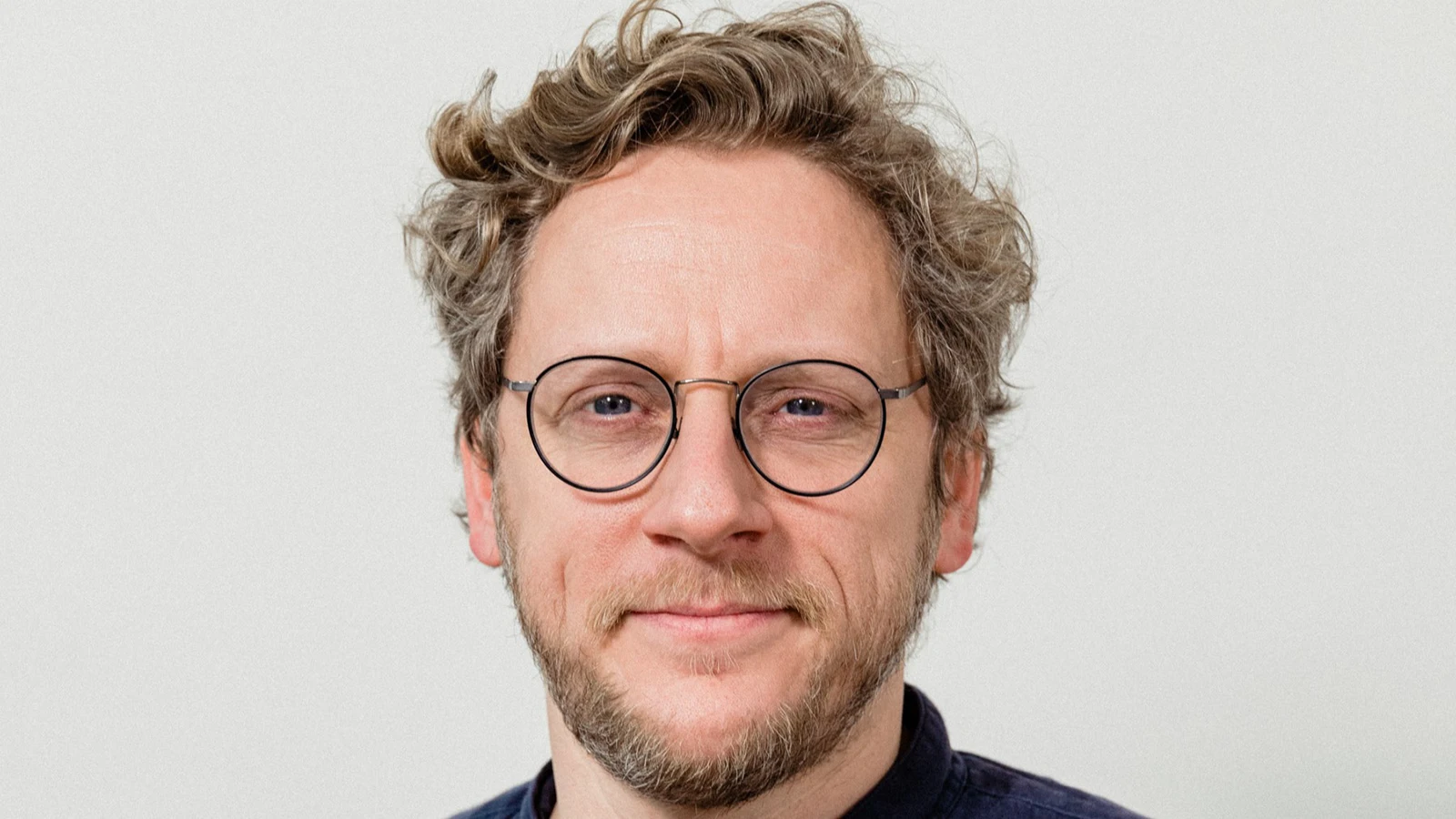
An interview with Stefan Sellner, the new director of the IBN, about his vision and goals

Stefan Sellner became the new director of the Institute of Building Biology + Sustainability (IBN) at the beginning of 2026. In this interview, Sellner discusses his decision to take on the role, explaining what building biology can achieve today and why the IBN is still needed.

Continue reading

Interview with Dr. Ipek Ölcüm from the Industry Association for Clay Building Materials (Industrieverband Lehmbaustoffe e.V. – IV Lehm)
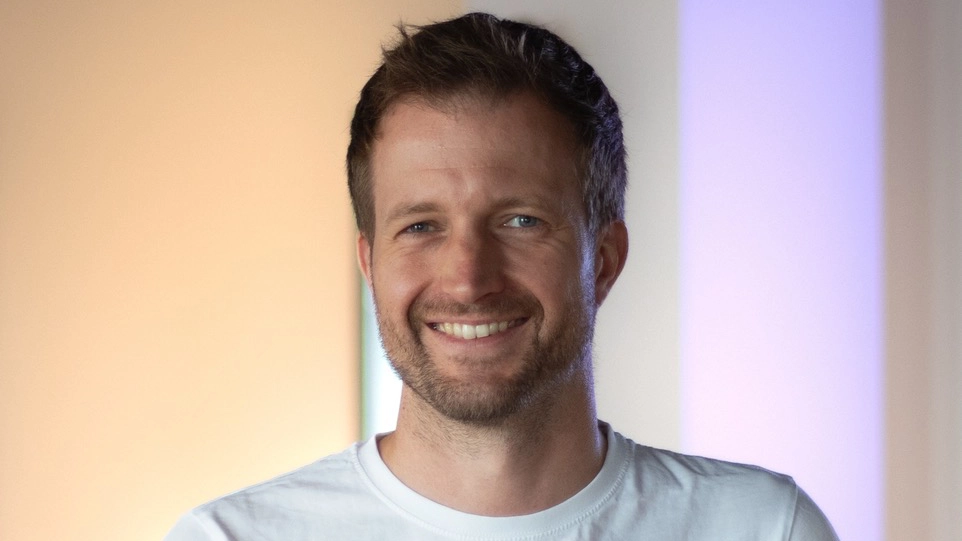
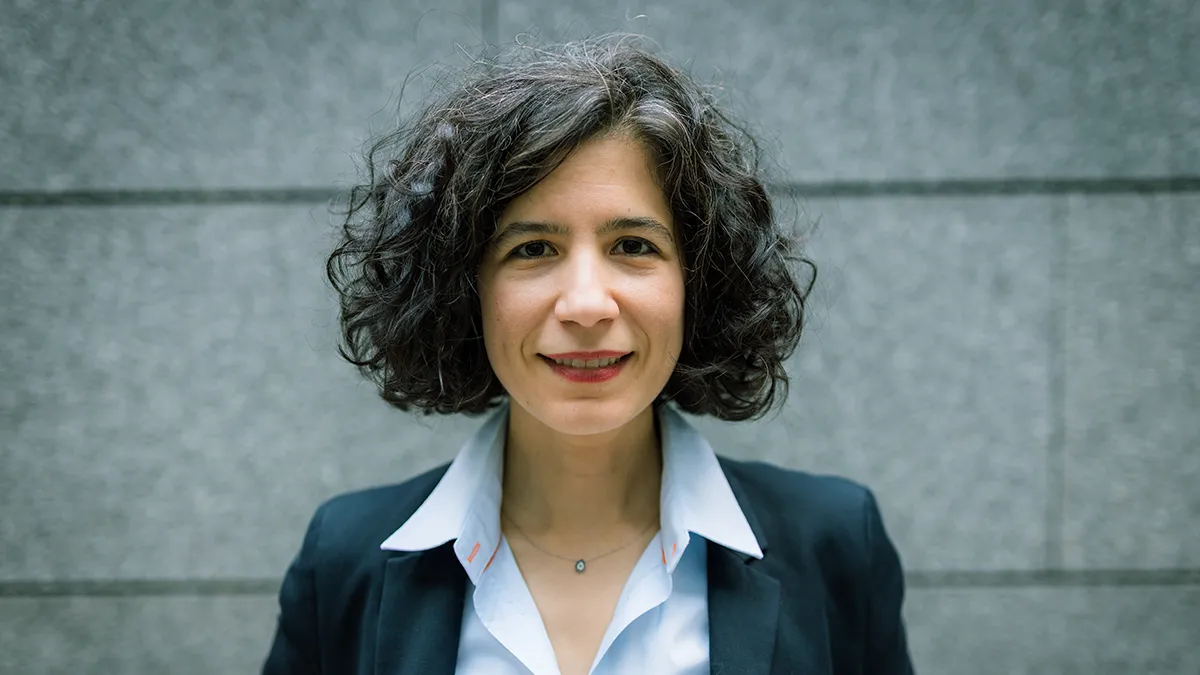
In 2022, IV Lehm was founded in Berlin, Germany. The association is dedicated to "giving industrially manufactured clay building materials a voice and visibility." In this interview, the association's managing director, Dr. Ipek Ölcüm, shares insights into her responsibilities, market opportunities for clay building products, collaborations with skilled tradespeople, and future developments.

Continue reading

How is Earth Overshoot Day related to building biology?
Global Earth Overshoot Day occurs earlier every year. According to the calculations by the Global Footprint Network, this marks the date when humanity has used up all of nature's resources for the entire year.

Continue reading

Bioplastics in construction

Plastics have become an indispensable part of modern construction. However, most conventional plastics are derived from fossil fuels, which significantly contribute to increased CO2 emissions. Bioplastics offer a promising alternative. This article highlights their properties, current applications in construction, and future potential.

Continue reading

Designing with natural paints and plasters
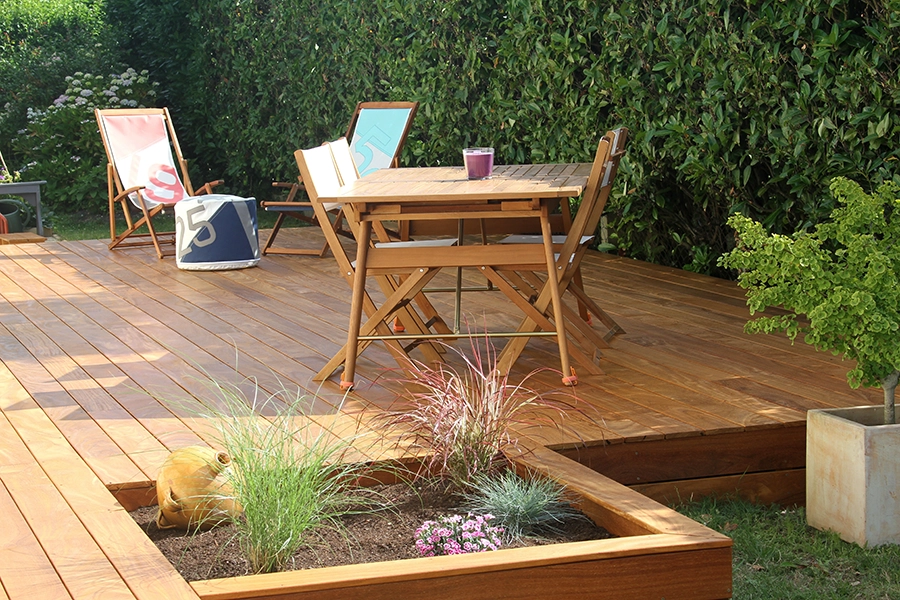
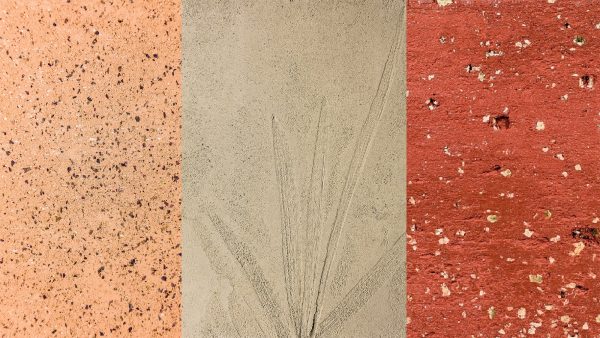
Get creative and express yourself! Natural paints and plasters can be used to create modern, attractive designs. Suitable products are available from various manufacturers and can be made by experienced craftspeople, or even yourself.

Continue reading

Metal-free reinforced concrete

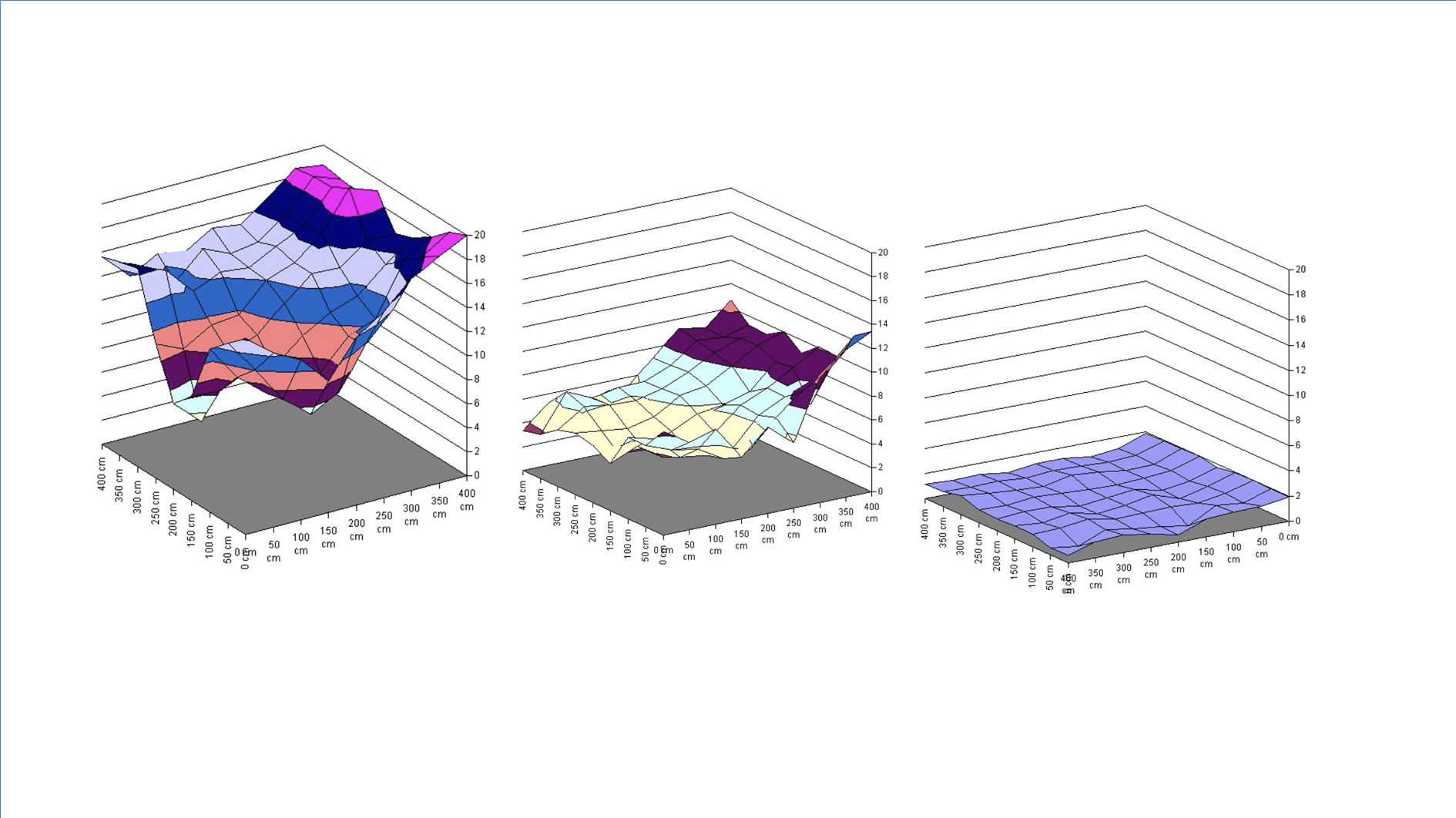
Health-conscious homeowners are increasingly demanding that no steel parts be used in floor slabs and ceilings so as not to distort the Earth's magnetic field, especially in sleeping areas. In an investigation that looked at two different types of floor slabs in wood frame houses, it was shown that fiberglass reinforcement maintains the naturally occurring Earth's magnetic field and does not distort it.

Continue reading
IBN Header Image - How to make mobile communications safer

How to make mobile communications safer?
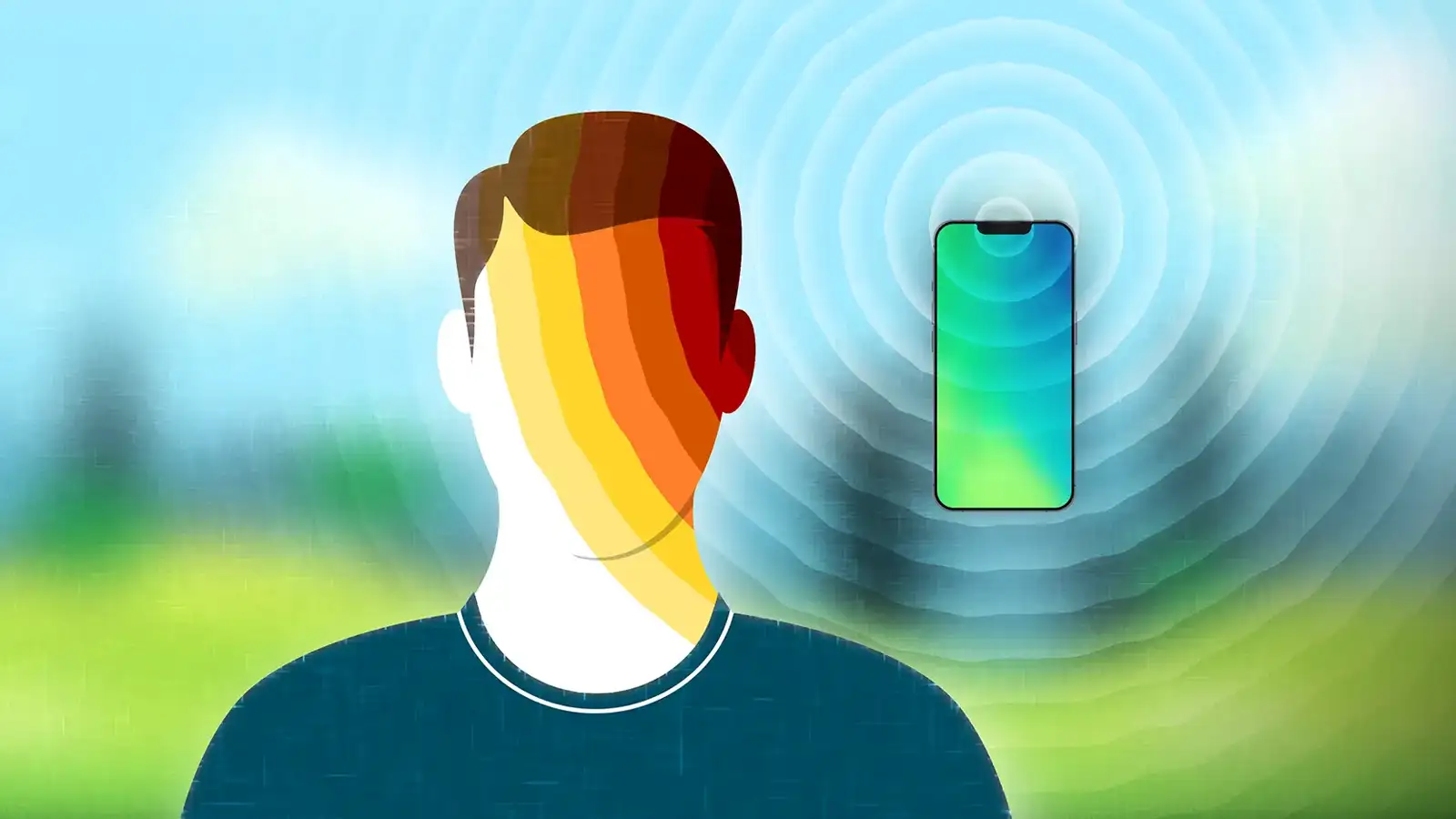
Mobile communications infrastructure is nearly universal, and almost everyone uses mobile devices. This raises the question of how we, especially our children, are affected by the associated exposure to radiofrequency (RF) radiation. As mobile communications technologies advance, democratic, ecological, and health-related considerations should guide the process, including minimizing RF radiation exposure as much as possible.

Continue reading

Building simply – exemplary apartment buildings in Bad Aibling show how it can be done
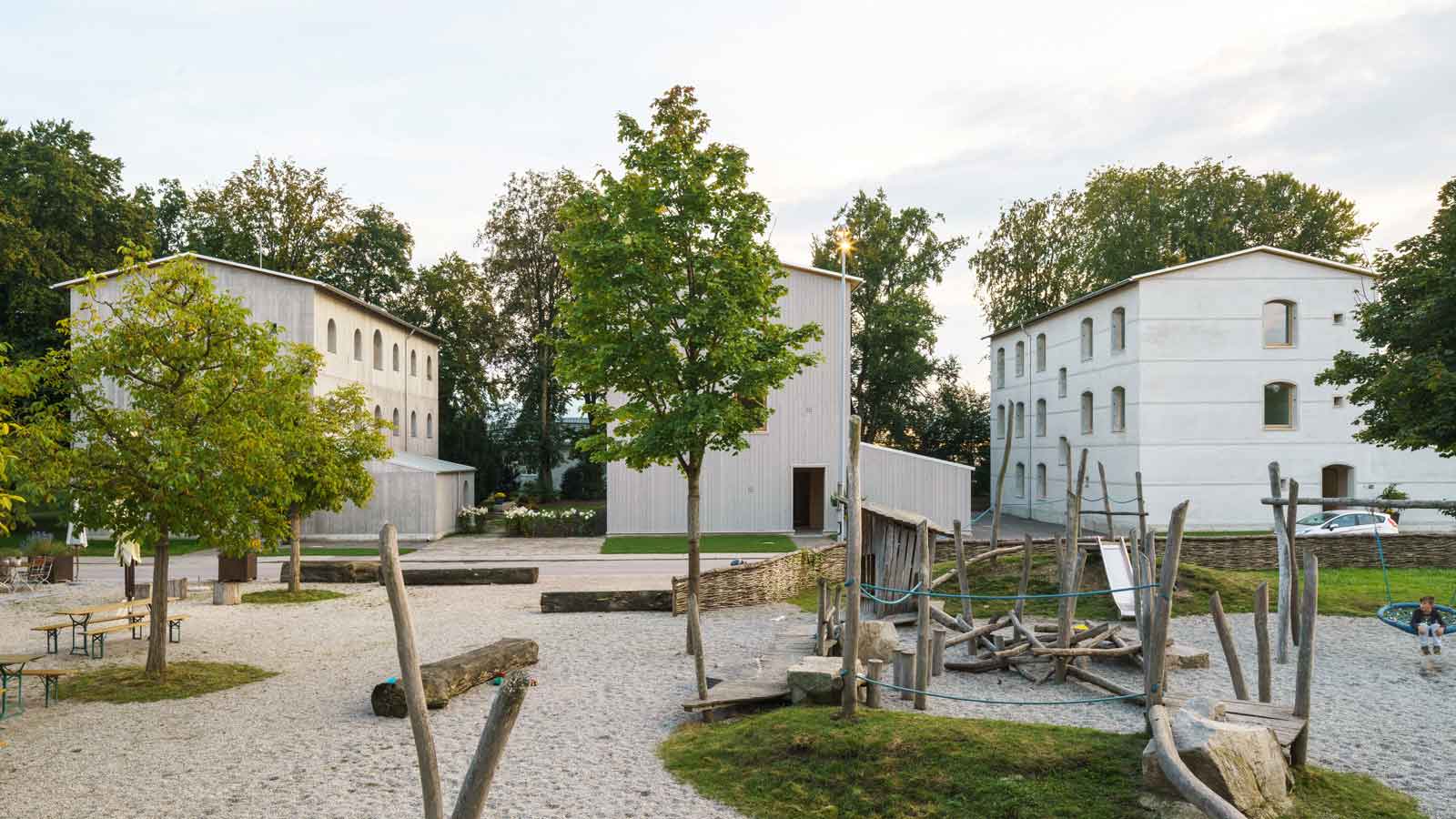
The design of the exemplary apartment buildings offers an alternative to highly complex building designs. They were constructed using monolithic wall structures made of wood, masonry, and concrete with simple details. This strategy was tested through continuous monitoring over a period of two years. The results are summarized below.

Continue reading

What about photovoltaic systems and electromagnetic pollution?

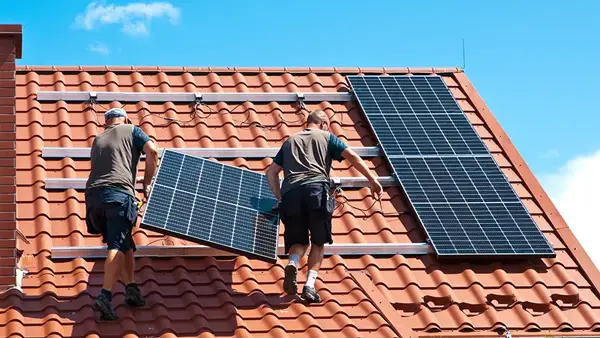
We would like to install a photovoltaic system on our roof. However, a friend advised against it, claiming that these systems cause high levels of electromagnetic pollution. Is this true? How can we avoid this?

Continue reading

A multifamily house insulated with straw

Climate-neutral for 40 years: In Verden, Germany, a multifamily house was built using wood and straw. Its impressive material and energy concept includes a building enclosure with high-performance thermal insulation made of straw, passive and active solar energy systems, and large electricity and solar heat storage systems. According to a comprehensive life cycle assessment, the building will be climate neutral for the first 40 years, after which it will continue to emit minimal amounts of carbon dioxide.

Continue reading

Sleep better

Advice from sleep expert Prof. Dr. med. h. c. Günther W. Amann-Jennson. His most important principle: Don't worry about sleep! Sleep regulates itself if the basic conditions are right.

Continue reading

Interview with Prof. Dr. Tsuneo Ishikawa – Baubiologie Institute of Japan BIJ

Prof. Dr. Tsuneo Ishikawa studied architecture in Munich and elsewhere. As vice president of the Maebashi Institute of Technology, he has been teaching building biology there since 2001. In 2005 he founded the IBN partner institute "Building Biology Institute of Japan BIJ," which offers the Japanese version of the Building Biology Course IBN, a building biology magazine, and seminars and conferences. The collaboration with the BIJ is very exciting, as the Japanese culture and building methods offer different perspectives and unknown knowledge. In this interview, he talks about his background and what inspires him about building biology.

Continue reading

How do you build the building biology way?

Interview with architect Winfried Schneider, director of the Institut für Baubiologie + Nachhaltigkeit IBN

Continue reading

Sieben Linden Ecovillage – from utopia to reality!

A handful of young people moved to the Altmark region of Saxony-Anhalt, Germany, to build a village out of wood, clay, and straw. They envisioned it to be a "self-sufficient, environmentally friendly community." Today, 30 years later, 155 people live in the Sieben Linden Ecovillage. What is the secret of its success?

Continue reading

What is a ton of CO2?

Many people struggle at first with the meaning of statements like “the average CO2 consumption is about 9 tons per capita per year” or “the price of CO2 is 55 euros per ton” or “one ton of CO2 is needed to produce about 3 cubic meters of reinforced concrete”. We provide clarification.

Continue reading

Insanely complicated!

What is the right insulation strategy? How thick should or may the insulation be, and when is exterior insulation the right choice and when is interior? There is a tremendous amount of uncertainty about appropriate, error-free, code-compliant insulation strategies. However, common sense is the best way to understand applied building physics.

Continue reading

Building biology interior decoration: the creative use of natural materials
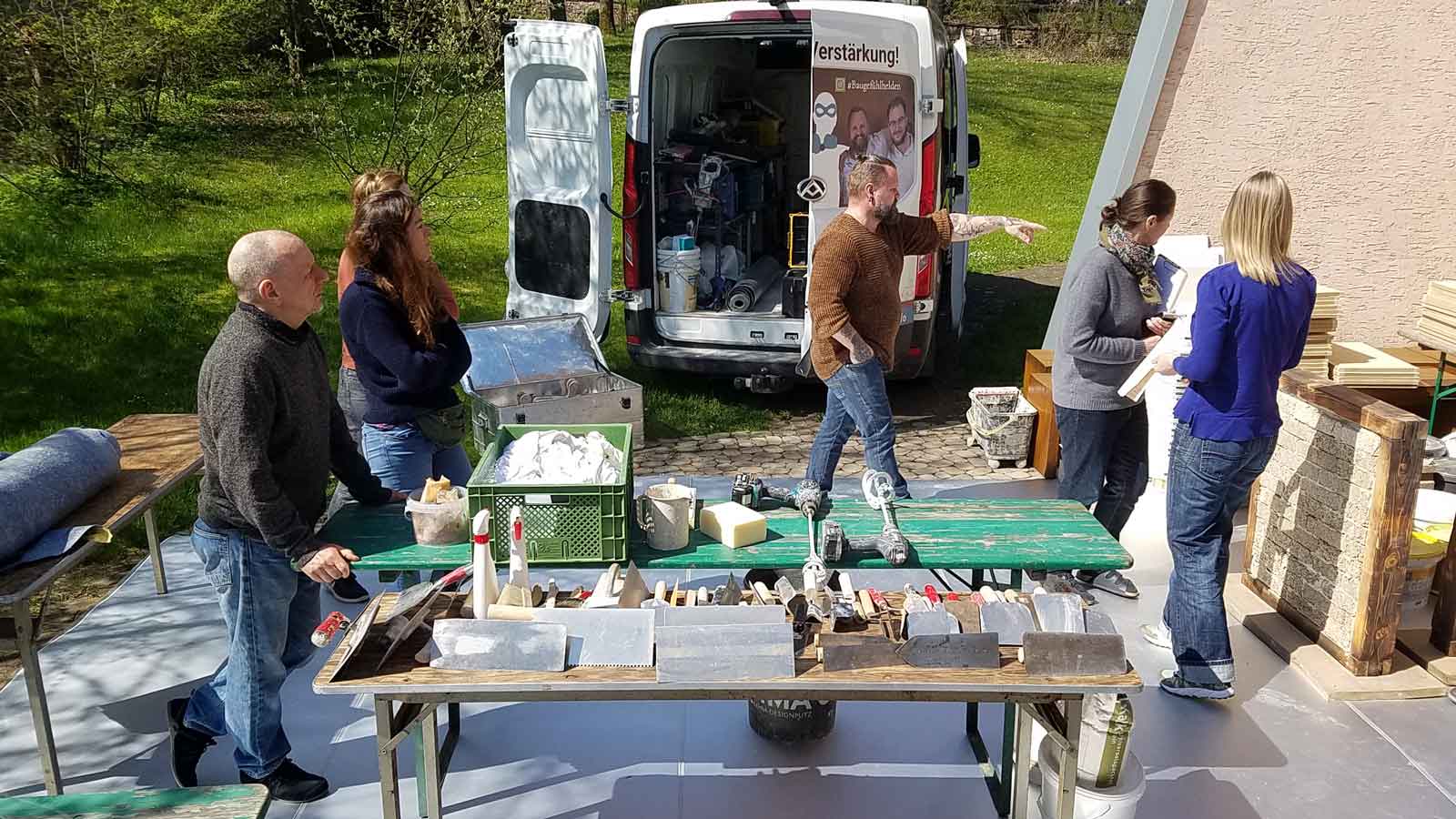
In this 3-day hands-on workshop "Building Biology Interior Decoration IBN," 20 participants learned how to creatively use the trendy materials clay, lime, and self-made natural paints.

Continue reading

The constant hum of heat pumps and other equipment

The adverse effects of low frequency noise in residential areas, such as that emitted by air source heat pumps, have increased significantly in recent years. However, little is known about the exact causes of this increase in subjective symptoms. A research project of the German Environment Agency (UBA) will now shed light on this.

Continue reading

The new Standard of Building Biology Testing Methods 2024

In August 2024, nine years after the last edition, a new Standard of Building Biology Testing Methods (SBM) was completed, largely without its original initiator and developer Wolfgang Maes. The Building Biology Evaluation Guidelines for Sleeping Areas underwent a thorough revision, and new tools for assessing additional indoor risk factors were introduced for some Standard points. Furthermore, we revised the Testing Conditions, Instructions and Additions and Guiding Principles that supplement the Building Biology Standard and Guideline Values.

Continue reading

Carboxylic acids in wood and composite wood materials

Most people find the smell of fresh wood pleasant. It is even assumed that wood has positive health effects according to research and experience. But does this always apply? Even after an indoor installation of solid wood and composite wood materials such as particleboards or OSB boards?

Continue reading

10 years IBN building – our experience with the building

After more than thirty years in Neubeuern, we moved to our new IBN building in Rosenheim in September 2014. This flagship project allows us to demonstrate what building biology is all about and what healthy and sustainable building practices are possible and meaningful. After ten years, it’s time for a progress report: What worked? What didn't work? What would we do differently today?

Continue reading

Building biology recommendations for workplaces and other high-use areas

Most people talk about healthy and sustainable living. But what about workplaces, home offices and other high-use areas? Is everything okay in these areas from a building biology perspective?

Continue reading

Electrohypersensitivity (EHS) – fact or fiction?

Why electrohypersensitivity (EHS) is a biologically expected reaction to harmful radiation.

Continue reading

Interview with Katharina Gustavs – Building Biology Testing Specialist IBN in Canada
Katharina Gustavs is a Building Biology Testing Specialist IBN, nutritionist, and translator on Vancouver Island / Canada. From there, she has for many years been promoting building biology in the English-speaking world. She also supervises and translates the English version of the Building Biology Correspondence Course IBN. In this interview she talks about her background and what inspires her about building biology.

Continue reading

High-voltage power lines and electromagnetic pollution – what’s new?

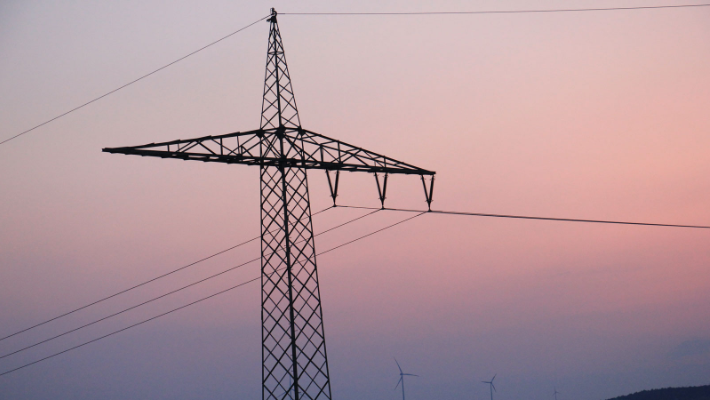
For decades, the conditions around high-voltage power lines have been fairly stable, the structure and type of power grids have hardly changed, and it has been well established what types of electromagnetic fields to expect and how to measure relevant exposure levels. This is about to change now and in the future.

Continue reading

5G – a building biology perspective

Everybody is talking about 5G. The electrosmog debate has been stirred up again and all those concerns about the exposure to electromagnetic fields as well. The industry in particular, but also many other people would like to have faster and more powerful data networks. Yet others are concerned about radiation risks and data security. So what can building biology contribute to the solution, what do we know so far, and what do we have to expect from the future development of our ambient wireless environment?

Continue reading
Explore building biology

Note

The link above takes you to the German information portal, where you will find many more articles about healthy and sustainable building practices. Use your browser’s translation tool to read the articles in your preferred language.

  • Home
  • IBN Building
  • About the Institute
  • IBN Partners
  • Building Biology Course IBN Old
  • Career Opportunities
  • 25 Principles of Building Biology
  • Standard of Building Biology Testing Methods SBM
  • Contact
  • Privacy Policy
  • Site Notice

Footer

Resources

  • Building Biology Course IBN
  • 25 Principles of Building Biology
  • Building Biology Standard (SBM)
  • News

International

  • IBN Partners
  • Español
  • Français
  • German
  • Italiano
  • Nederlands
  • Türkçe
  • 日本の

Service

  • About the Institute
  • Building Biology Magazine
  • Building Materials & Products
  • IBN Building
  • Contact
  • Privacy Policy
  • Site Notice

Information in German

  • baubiologie.de
  • Baubiologie Wissen
  • Baubiologische Beratungsstellen IBN
  • Facebook
  • Instagram

Institut für Baubiologie + Nachhaltigkeit IBN

Institut für Baubiologie + Nachhaltigkeit IBN GmbH
(Institute of Building Biology + Sustainability IBN)

Erlenaustraße 24, 83022 Rosenheim, Germany
Email: info@buildingbiology.com

The Institut für Baubiologie + Nachhaltigkeit IBN (Institute of Building Biology + Sustainability IBN) is financially and politically independent. Its main focus is the education and qualification of Building Biology Consultants IBN (Institut für Baubiologie + Nachhaltigkeit) to promote a holistic, sustainable, ecological, and building biology-based approach to building.

© 2026

Change cookie settings